From the Bronx to the Stage: How Dance Builds Confidence and Community

Last week, we shone a spotlight on Tatiana’s Dance Center, an incredible, Bronx-based

dance company that’s near and dear to SAEN’s heart. Through highlighting this partnership, we were able to explore the plethora of benefits dancers enjoy when they’re part of a team of similarly impassioned creatives. We established that part of what makes TDC such a wonderful organization is the attention it pays to instilling values in dancers that extend far beyond choreography. This week, we’re diving deeper into those values, and investigating why dance is such an integral form of expression, and what we as individuals, and as a community, get out of investing in it.

Dance has been a consistent form of expression since the dawn of man. We understand cave paintings as the very first form of visual art, and in many cases, groups of dancers were their subjects. It’s one of the first ways we learn to move our bodies when we’re young, an innate expression of joy and humanity. It’s arguably the first way we learn to communicate, and contrastingly, perhaps the first one we lose; as we grow up, society changes the way we view dance, and whether or not we’re “fit” to do it.
Like many art forms, dance becomes relegated to those who conform to the specific image of what a dancer should look like, move like, or how they’ve been trained. When we get too caught up in these superficial boundaries, we forget that dance is, first and foremost, an exceptionally powerful mode of connection. It is and has always been deeply cultural, often taking important roles in religious practices, familial traditions, and community building exercises.

When dancers leave a studio, they of course should do so with new levels of skill, but also a new sense of confidence, self-assuredness, and poise. A strong dance education doesn't just teach you how to move across a stage, but how to move through the world with the sense that you belong in it. This, above all, is the genuine power of dance, and reinforces the importance of having established safe spaces conducive to this kind of development. And nowhere has fostered this growth quite like the Bronx, whose history has transformed the dance scene in more ways than one.

Take breaking, or breakdancing, for example. A style so popular it made its way all the way to the Olympics in 2024, b-boys and b-girls have grown from roots planted in the African-American and Latino youths living and creating in the Bronx in the 1970s. These dynamic routines typically feature complex footwork, floorwork, and freezes, all of which demand a certain level of confidence and comfortability in both the choreography and the body. Through groups like the Rock Steady Crew, and movies like Beat Street, breakdancing alone would have been enough to cement the Bronx as a pivotal force in the history of dance.

But of course, it’s not alone in that legacy. Uprock and Toprock are also idiosyncratic Bronx inventions, known as a competitive form of urban street dancing that’s often accompanied by soul, rock, or funk music. Coming out of NYC in the late 60s and early 70s, rock dance was commonly associated with young crowds, and seen often at block parties, and encouraged a level of competition that was taken very seriously. Because of this, city officials tried to discourage its popularity, but groups like The Bronx Boys keep the tradition alive, even today.

Salsa too, found a home in the Bronx, which earned the nickname “el condado de la salsa”, or “the borough of the salsa” because of the way it contributed to the art of salsa dancing. As salsa made its way through the Bronx, beginning in the 1950s, the traditional Cuban and mambo rhythms fused with the jazz and urban influences of the city, creating a new style unique to Bronx-based salsa, allowing the art to flourish. Time and time again, the Bronx has cultivated dancers who, through sheer passion and innovation, have made a place, name, and legacy for themselves and their community.
And many of those names are known worldwide. Cardi B and JLo are perhaps some of
the most well-known, born and raised Bronx natives who took their upbringing in a rich musical landscape far beyond the bounds of their hometown,
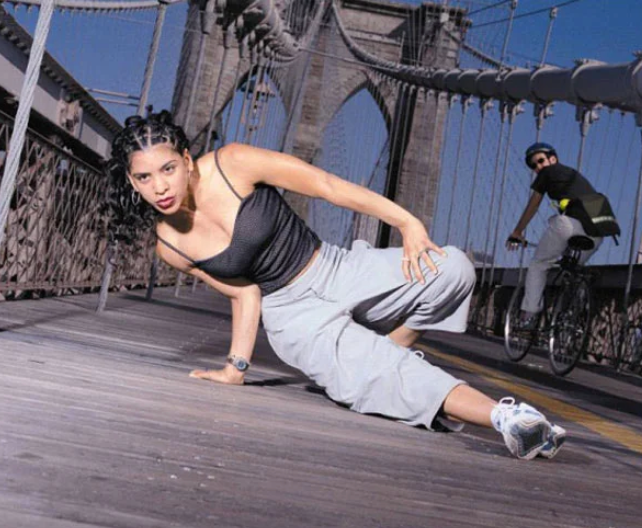
but they're far from the only ones. Ana ‘Rokafella’ Garcia is another example of a native New Yorker who went on to become a pioneer, specializing in breakdancing. She co-founded Full Circle Productions in New York City, and made a name for herself as a Puerto-Rican American Hip-Hop dancer, proving what’s possible for dancers raised and enriched by a community that fosters creative spirits.

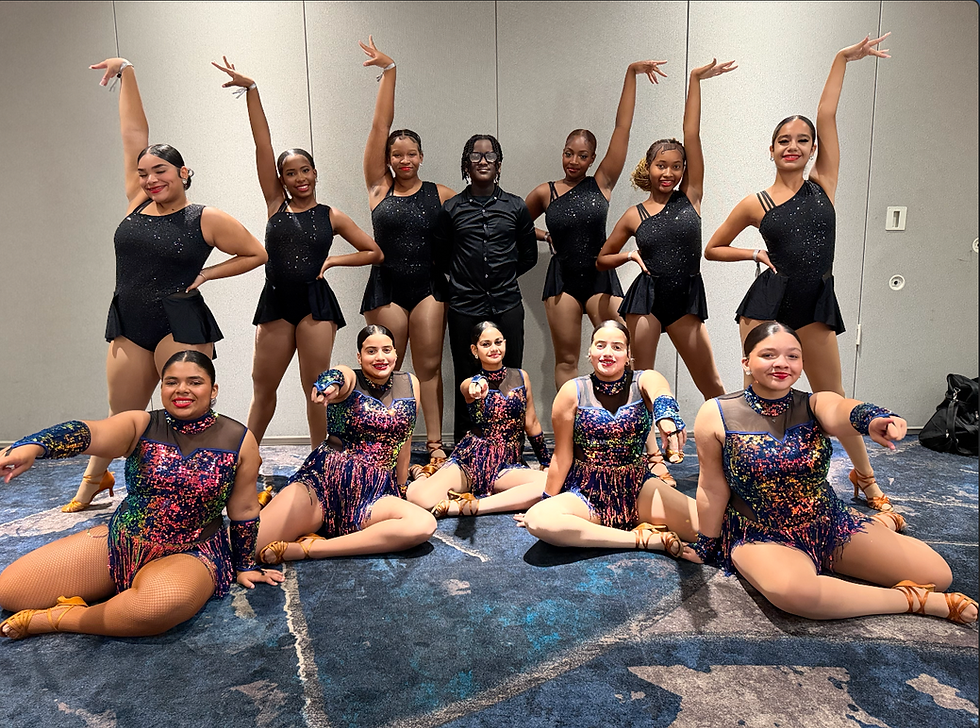
This is why organizations like TDC are so important. They create these opportunities, and encourage aspiring performers to embrace their passion, harness their skills, and step out into the world as the best, most confident versions of themselves they can be. And thankfully, there are a myriad of other dance programs operating out of the Bronx who are working towards the same goal; Vida Dance Company, Fancy Feet Dance Studio, and Elite Stars Dance Company are just a few of the organizations ensuring the continuation of the Bronx’s legacy in the dance world.

And then, of course, there’s SAEN. Though our focus isn’t solely in dance, we too are dedicated to preserving the cultural footprint of New York City artists, and helping them create a mark on the art world that will last. And you can be a part of it! SAEN is currently accepting applications for our Readiness Program or any of our bootcamps. For more information, you can check out last week’s story, “A New Season at SAEN: Fall Enrollment Edition”. Or, if you’re seeking ways to step into the legacy of the Bronx’s finest dancers, TDC is accepting new team members through October 31st! No matter where your artistic interests lie, now is the perfect time to turn your dream into a reality.


Comments