The Arts and Their Economic Power


The narrative of the arts as a practice that dwells strictly in the humanities is a long-standing one. So much so, in fact, that it can be hard for people to grasp just how seismic of an impact it has in realms far beyond its own; politics, science, and linguistics, for example. But perhaps most directly relevant to our day to day lives is the economic impact that the arts, and the cultural institutions that foster them, have on our societies, that are so often overlooked. It’s not uncommon for the arts to be considered something trivial, with no tangible, measurable output. This couldn’t be further from the truth.

In actuality, the arts and culture play an overwhelmingly significant part in New York’s economic prowess. According to the Americans for the Arts Action Fund and the U.S. Bureau of Economic Analysis, artistic and cultural organizations generated $165 billion in New York alone in 2023. This comprised 7.58% of the state’s overall GDP, and provided 482,000 jobs. This is more than the construction, education, and transportation industries combined. Nationally, this number is closer to $1.17 trillion (4.24% of the nation's GDP, and generating an estimated 5.4 million jobs).

And when you break it down, these numbers make sense. Take, for example, just one Broadway show. Upfront, the economics may not be considered any further than the revenue generated by ticket sales. But behind the scenes, there’s the cost of choreographers, vocal coaches, directors, producers and, of course, the actors. And then there’s the cost to rent the theater, to print playbills and billboards, to rent costumes, to build sets, to light the stage. All in all, an average Broadway show can spend up to $1,000,000 in production costs. Now consider the fact that there are currently 38 shows running on Broadway, all estimated to make between $300,000 and $3.5 million a week in ticket sales. That’s a lot of money.

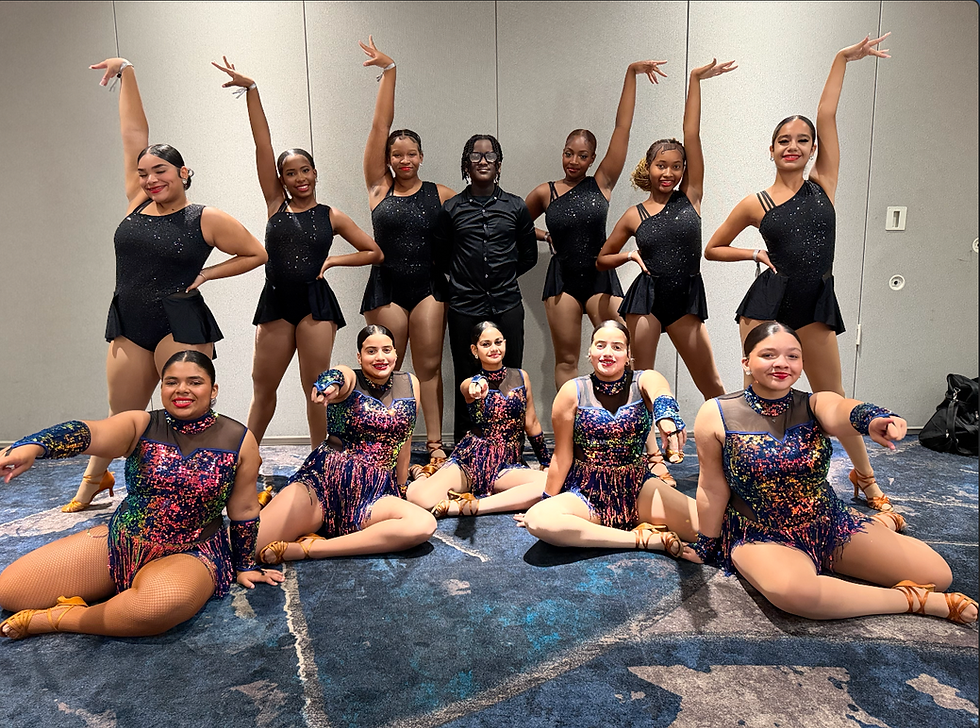
But of course, that’s Broadway. And unfortunately not every artistic endeavor can or will be quite as successful, or generate quite that much money. But they don’t need to in order for the art to do what art is, at its core, made to do; preserve the culture of a community and facilitate human expression. Art non-profits in New York generate an estimated $893.7 million annually, employing over 15,000 people. And their impact is tremendous. Communities that engage in art and give it the space to grow without confines allow diversity to prosper unmitigated, and offer a voice to those who may not have another way to express themselves. They inspire participation, in society and in life, and encourage people to be one amongst many. By nature, this means contributing to local economies and all they have to offer. The importance of a strong sense of community and cultural ties cannot be overstated when talking about the logistics of economic success; the more people there are to reap the benefits of a strong economy, the more willful participation there will be in sustaining that system.

So next time somebody tells you that arts and economics don’t go hand in hand, or that artistic ventures don’t contribute to your local economy, you can hit them with this. By supporting local businesses and your neighborhood's entrepreneurial artists, you can contribute directly to bolstering your community and preserving the livelihood of those working to help sustain the culture of New York art. And by supporting SAEN, you enable artists to put your support to good use, and make the most of what their talent has to offer.


Comments